


MASTER OF THE GAME: MATT BOOTH ON BUILDING AN EMPIRE, BREAKING BOUNDARIES, AND NEVER PLAYING IT SAFE
A Conversation with Matt Booth, from Room 101
Interview by: Lincoln Salazar
Matt Booth is not your average mogul—he’s a visionary who’s reshaped the worlds of cigars, spirits, and fashion with the same relentless drive that fuels his every move. Known for his sharp intellect, edgy style, and the rare ability to navigate and conquer multiple industries simultaneously, Booth is the embodiment of modern luxury and unapologetic ambition. In this exclusive interview with Enthusiast Report’s Lincoln Salazar, Booth shares the secrets behind his success, why he thrives in chaos, and how he’s built an empire that defies convention. Get ready for an unfiltered look at the man who plays by his own rules.
 Lincoln Salazar: Guys, welcome to The Enthusiast Report. I’m sitting here with a man in the cigar industry who probably doesn’t need much of an introduction: the legendary cigar maker, Mr. Matt Booth, of Room 101 Cigars. Matt, thank you so much for being here today.
Matt Booth: Thanks for having me.
Lincoln: Absolutely. We just finished a beautiful shoot here in Orange County, California. We can’t thank you enough for coming out.
Matt: I wouldn’t have missed it.
Lincoln: Matt, I wanted to catch up with you about some of the exciting things happening with Room 101. The brand has always been a craft cigar staple, and a couple of years ago, you transitioned into a partnership with STG. It’s been two years now—how has that played out for Room 101 as a craft cigar company?
Matt: I appreciate you asking. With two years of rubber on the road, I see nothing but successful evolution and execution. Honestly, the partnership has been a complete success. Initially, some of our consumers were concerned that the brand might be overpowered by such a large entity, but two years later, it’s clear that hasn’t been the case. Instead of being overpowered, we’ve been empowered. The resources STG provides have allowed us to flourish far beyond what we could have achieved independently.
Lincoln: That’s a powerful statement—“overpowered” versus “empowered.” It’s a common fear for craft brands entering partnerships with big companies like STG. Have you maintained the creative freedom you’ve always had as an entrepreneur and artist?
Matt: Thanks for noticing. Creativity is everything to me, and yes, I’ve maintained full control over the creative aspects, especially when it comes to blending and product development. That remains 100% under my direction. If it wasn’t, it wouldn’t be authentic to my vision.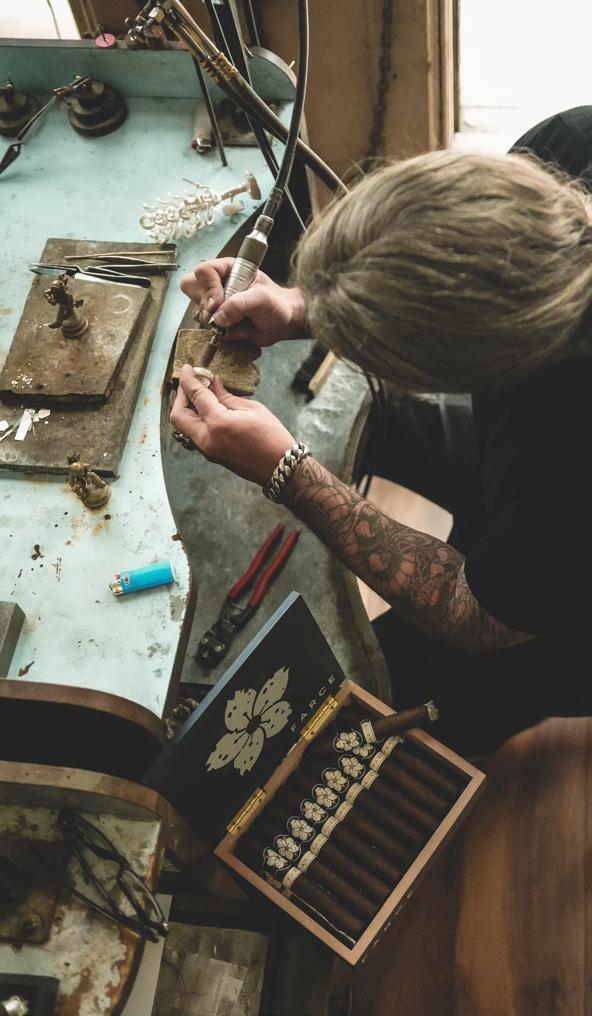
Lincoln: Were you nervous about the transition at first?
Matt: Absolutely. Room 101 is my baby. I built it from my coffee table in my apartment at Melrose and Genesee to where it is today. But early on, I established a relationship with some of STG’s top executives. Through that relationship, we built trust. I saw their genuine intent to preserve Room 101’s brand identity and let it flourish organically, rather than controlling or altering it. That trust is what ultimately led me to sign the deal.
Lincoln: What’s been the biggest challenge since the merger?
Matt: Honestly, adapting to the new dynamics of a larger organization. Before, if I had an idea for a marketing campaign or sales initiative, I could have it in motion by the end of the day. Now, there’s more process involved, and while I’m grateful for my partners, it requires unifying on initiatives before rolling them out. That can sometimes feel like “constipation in process” within a large machine. My role is to ensure we fight through that process to stay true to our core principles and brand identity.
Lincoln: What about your team? Have there been changes there?
Matt: I’ve been fortunate to work with phenomenal people like Chris Tard and Matt Wilson, who are my greatest champions within the organization. They help ensure we stay aligned with both process and vision.
Lincoln: As an entrepreneur, do you think it’s better to start with less structure in the early stages and bring in more systems later, or should that structure be there from the beginning?
Matt: It’s about finding the right balance. Vision without some level of structure can be chaotic, but at the same time, the entrepreneurial journey is inherently a bit of a free-for-all. Each founder needs to discover their own balance between creative freedom and systematic direction.
Lincoln: That makes sense. I’ve found that in startups, too much red tape can stifle creativity and slow down progress. On the flip side, large companies are like big ships—it takes a lot of effort to change course. Small companies can maneuver like speedboats.
Matt: Absolutely. A small company is like a nimble boat, while a big company is more like an aircraft carrier. What you lose in agility, you gain in unstoppable power. Each has its trade-offs.
Lincoln: Which do you enjoy more—the speedboat or the aircraft carrier?
Matt: The speedboat, all day. I love our small, tight-knit team in Los Angeles. We’re a family first, and that camaraderie creates a shared mission that runs deep. It’s not just a job for us—there’s personal responsibility and accountability to each other. If one person falters, it impacts the whole crew. That’s the beauty of operating in a small, close-knit environment.
Lincoln: You’ve been able to create R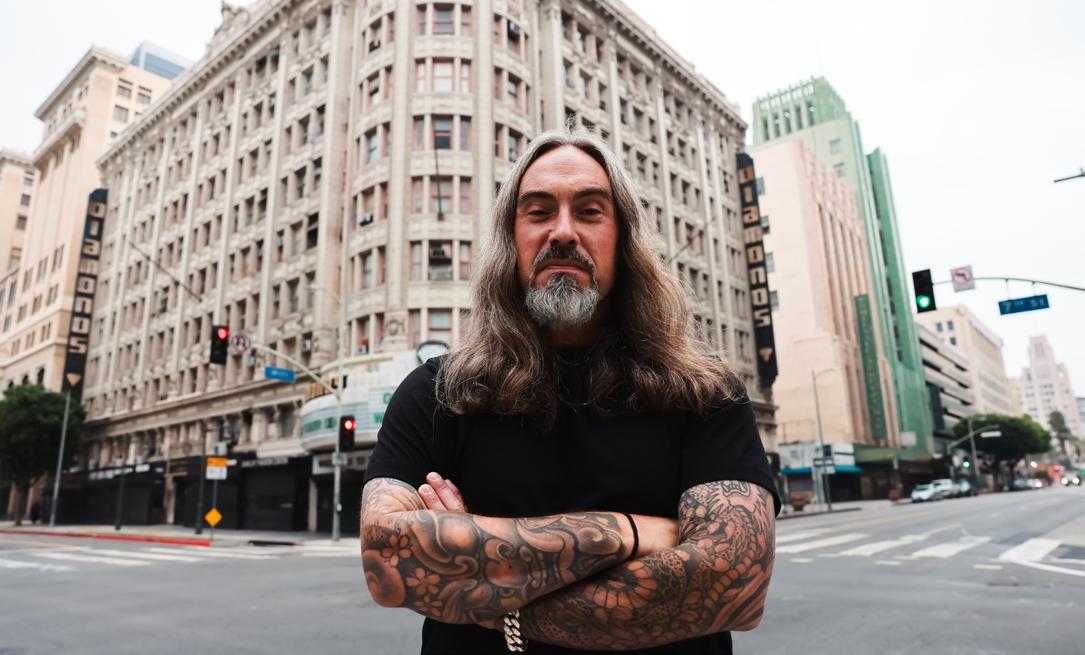 oom 101—not just cigars, but Room 101 jewelry—
Matt: True.
Lincoln: —fashion—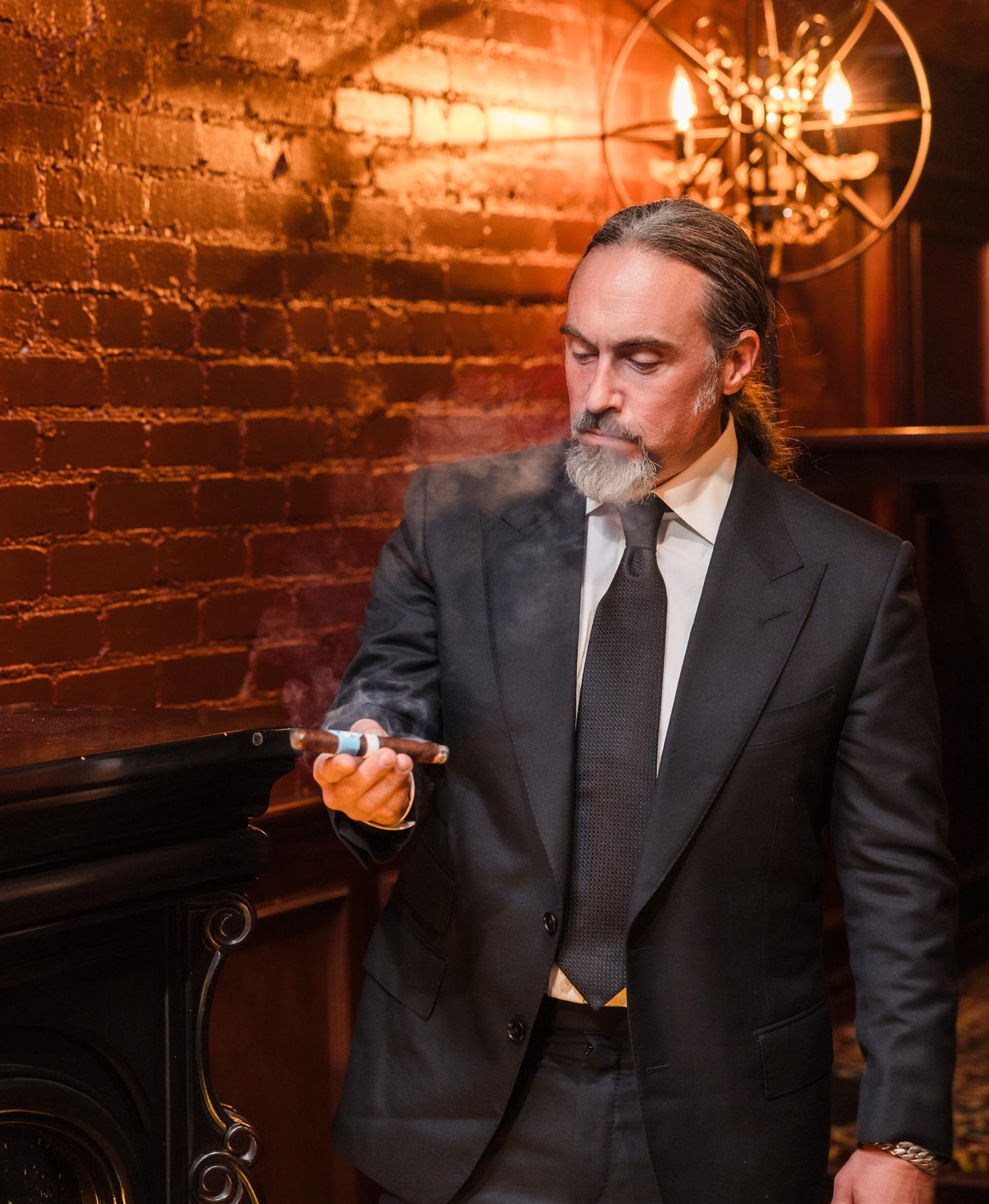
Matt: Yeah.
Lincoln: —and Room 101 gin as well.
Matt: True, true story.
Lincoln: What made you choose gin out of all these? And then I want to talk a little bit about your fashion wear too.
Matt: Yeah, of course, man. Look, I started Room 101 in the early 2000s with this vision to create a modern-day Alfred Dunhill. You know, a multi-category luxury lifestyle brand reflecting the good life. But I thought, “What would Alfred Dunhill of 1965 look like in 2025—under my direction?”
Lincoln: I love that.
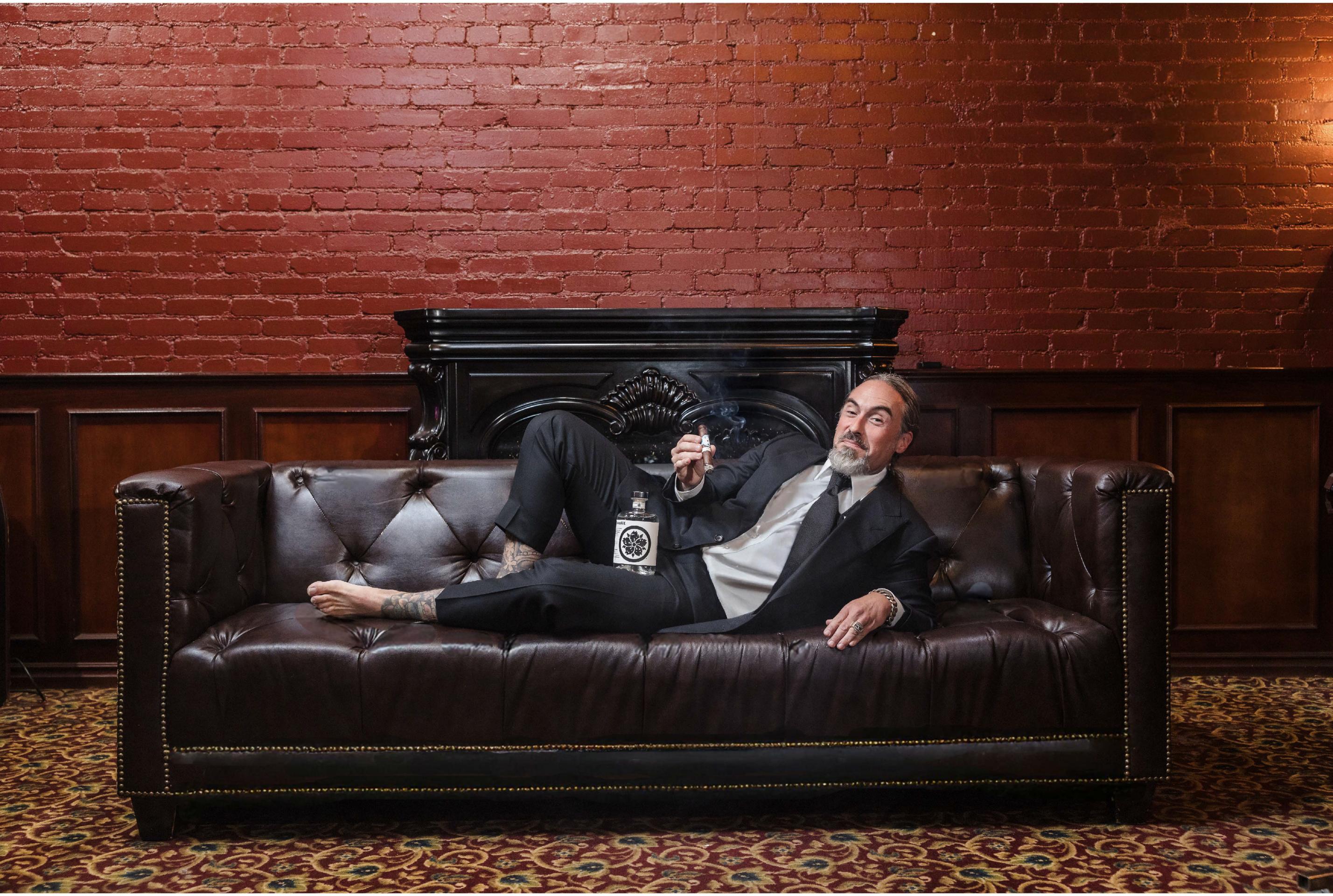
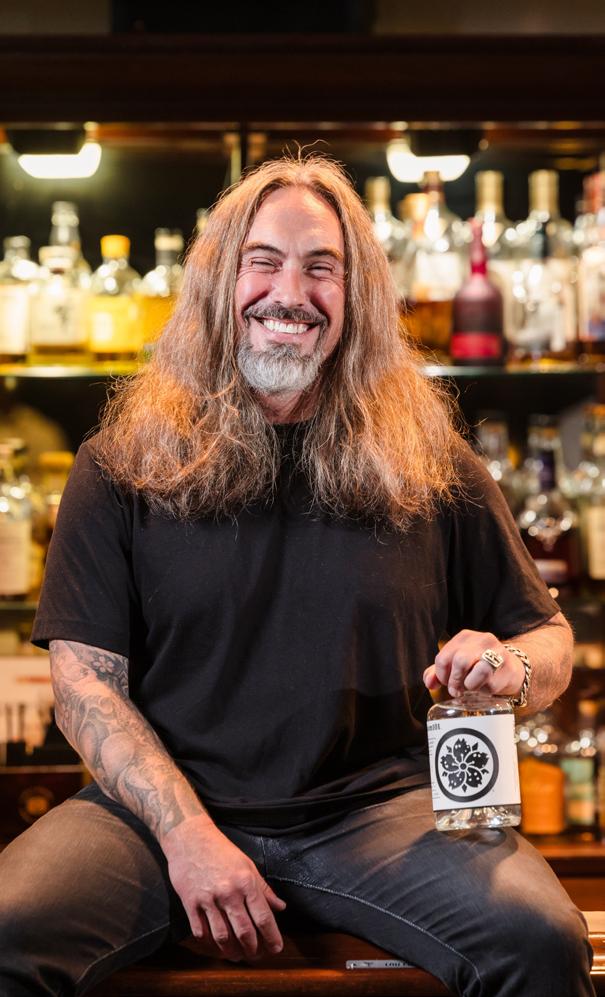
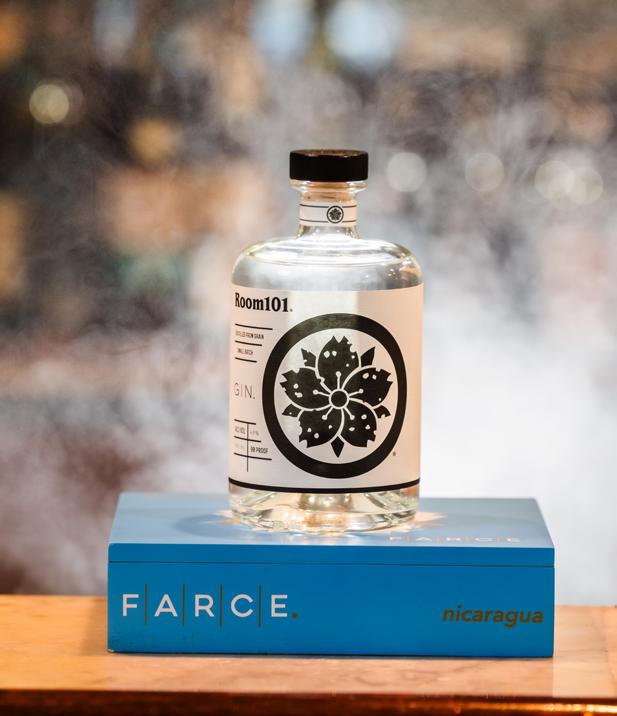
Matt: Right? And when it came to craft spirits, I felt gin was the right move. Before we created our gin, I had this sense that craft gin was going to have its moment in the boutique space. Gin is endlessly versatile. You can tweak its composition to create unique results for the end consumer, and that fits perfectly with our brand’s philosophy: tampering with tradition.
Lincoln: Gin’s one of the hardest categories to sell, though, isn’t it?
 Matt: It’s definitely intimate. But I liked the idea of being a big fish in a small pond. That’s where I thrive. Smaller markets are easier for me to agitate, disrupt, and eventually dominate. I didn’t want to go head-to-head with the massive vodka brands.
Lincoln: Makes sense.
Matt: Exactly. I wanted something authentic to our brand and commercially viable. Something I could go to war with and come out on top.
Lincoln: What would you say are the main differences between the cigar industry and the spirits industry?
Matt: Both are brutal in their own way. But spirits? It’s a different level. There’s so much more regulation. Licensing alone is a mountain compared to premium tobacco.
Lincoln: And cigars are regulated too, especially now with the FDA stepping in.
Matt: Oh, for sure. But it’s still a smaller barrier to entry compared to craft spirits. Selling a craft spirit is challenging—it’s one of the hardest industries to break into.
 Lincoln: I agree. I mean, look at tequila. There are over 1,000 tequila brands out there.
Matt: Exactly.
Lincoln: So what makes someone pick your gin over, say, a household name like Patron or Casamigos?
Matt: It all comes down to the work, man. Nothing replaces the grind. We’ve built our brand through guerrilla tactics—meeting people, sharing our vision, showing why our product stands out. It’s hand-to-hand combat, so to speak.
Lincoln: Right. And with cigars, it’s similar—you’ve got to build territory by territory, almost like waging a war.
Matt: 100%. Incremental victories are key. Start with your backyard, dominate your home turf, then expand outward in tiers. If you try to go national right away without the financial strength to back it up, you’ll burn out before you hit your stride.
“WHEN I CAME INTO THIS INDUSTRY, I WAS THIS AGGRESSIVE, SELF-MADE GUY WITH NO REAL SUPPORT NETWORK. IT WAS JUST ME AND A SMALL CAST OF CHARACTERS HUSTLING TO FACILITATE THE VISION.”
“I SHOWED UP, AND I KEPT SHOWING UP. TOOK THE PUNCHES, KEPT PUSHING FORWARD UNTIL THEIR WILL TO RESIST WORE DOWN. THEY REALIZED I WASN’T GOING ANYWHERE. WINNING HEARTS AND MINDS ONE HANDSHAKE AT A TIME.”
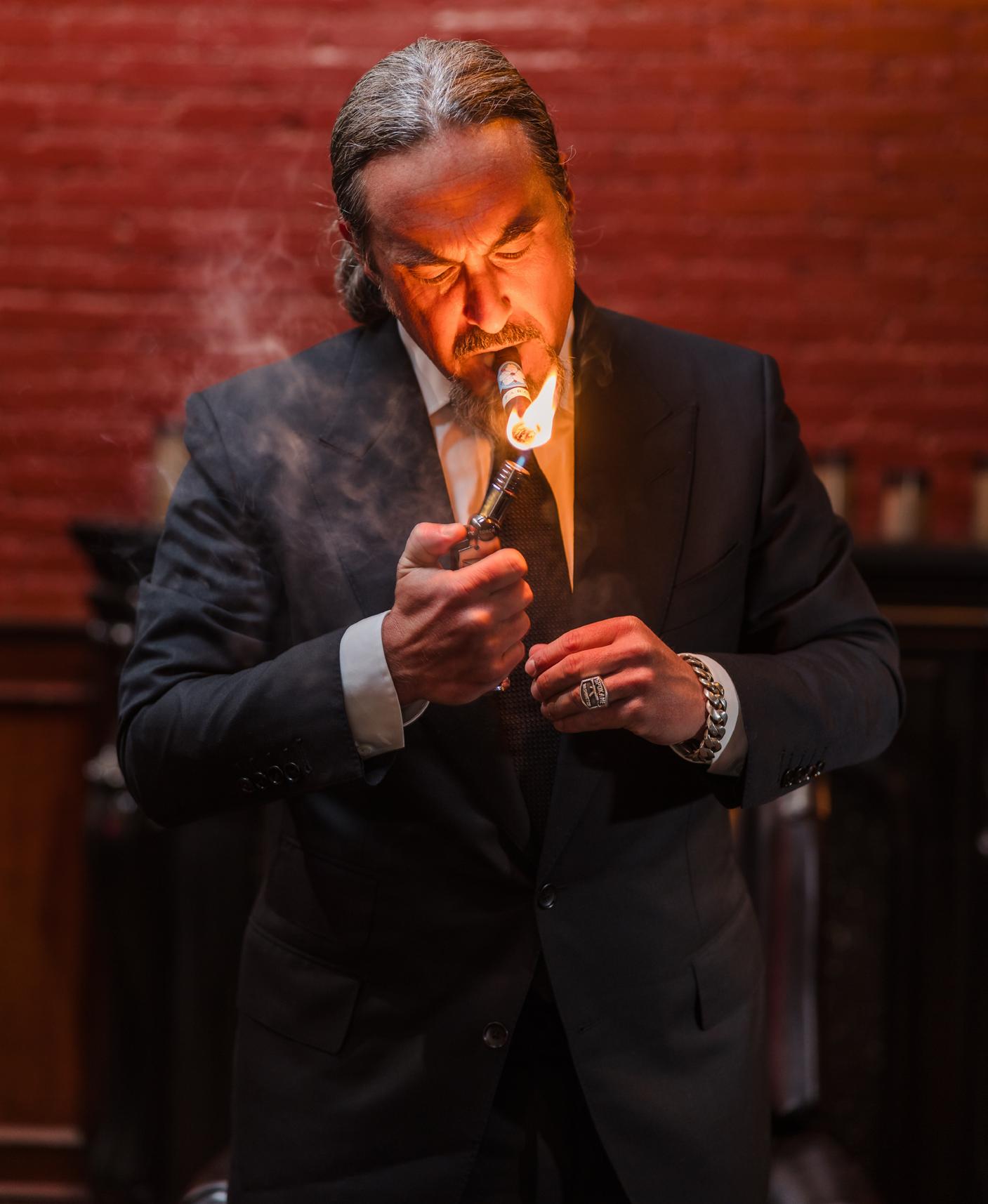
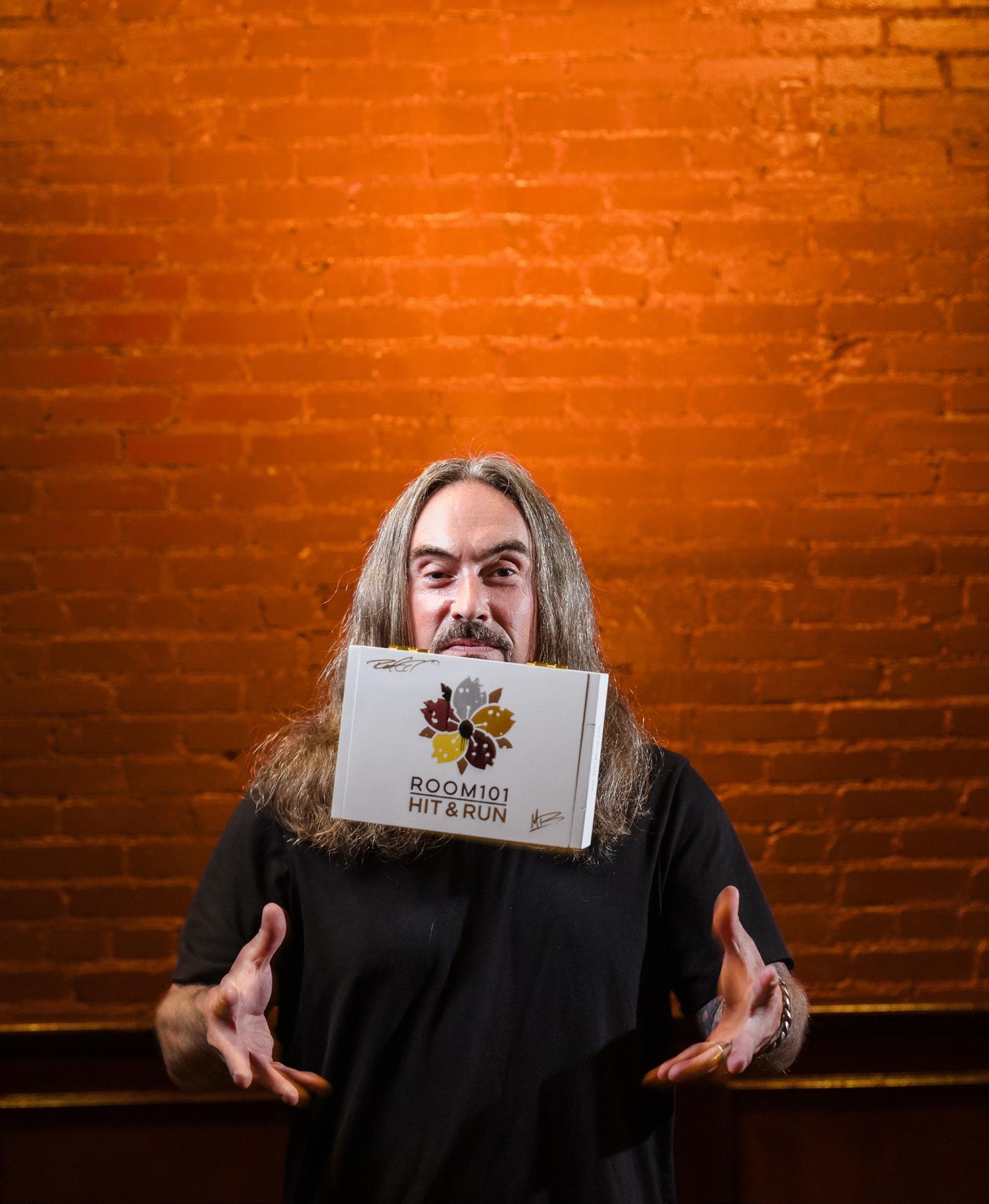
 Photography Credit: Ning Wong, Red Belt Creative, Billy the Kid, VSUL


